
Are you ready for what's coming next in manufacturing technology? As we head into 2026, the manufacturing landscape is shifting faster than ever before. Whether you're running a small fabrication shop in Traverse City or managing a larger operation in Grand Rapids, staying ahead of these IT trends isn't just about keeping up: it's about staying competitive and profitable.
The good news? You don't need to navigate these changes alone. Let's break down the five most important IT trends that will shape manufacturing in 2026, and more importantly, how they can benefit your business right here in Northern Michigan.
1. Enhanced Cybersecurity: Your First Line of Defense
Manufacturing has become a prime target for cybercriminals, and the stakes keep getting higher. In 2026, we're seeing cyber threats become more sophisticated, but fortunately, security solutions are evolving just as quickly.
Think about it: your manufacturing operation likely runs on interconnected systems that control everything from inventory management to production schedules. A single security breach could shut down your entire operation for days or even weeks. That's not just lost revenue; that's lost customer trust and potentially damaged equipment.
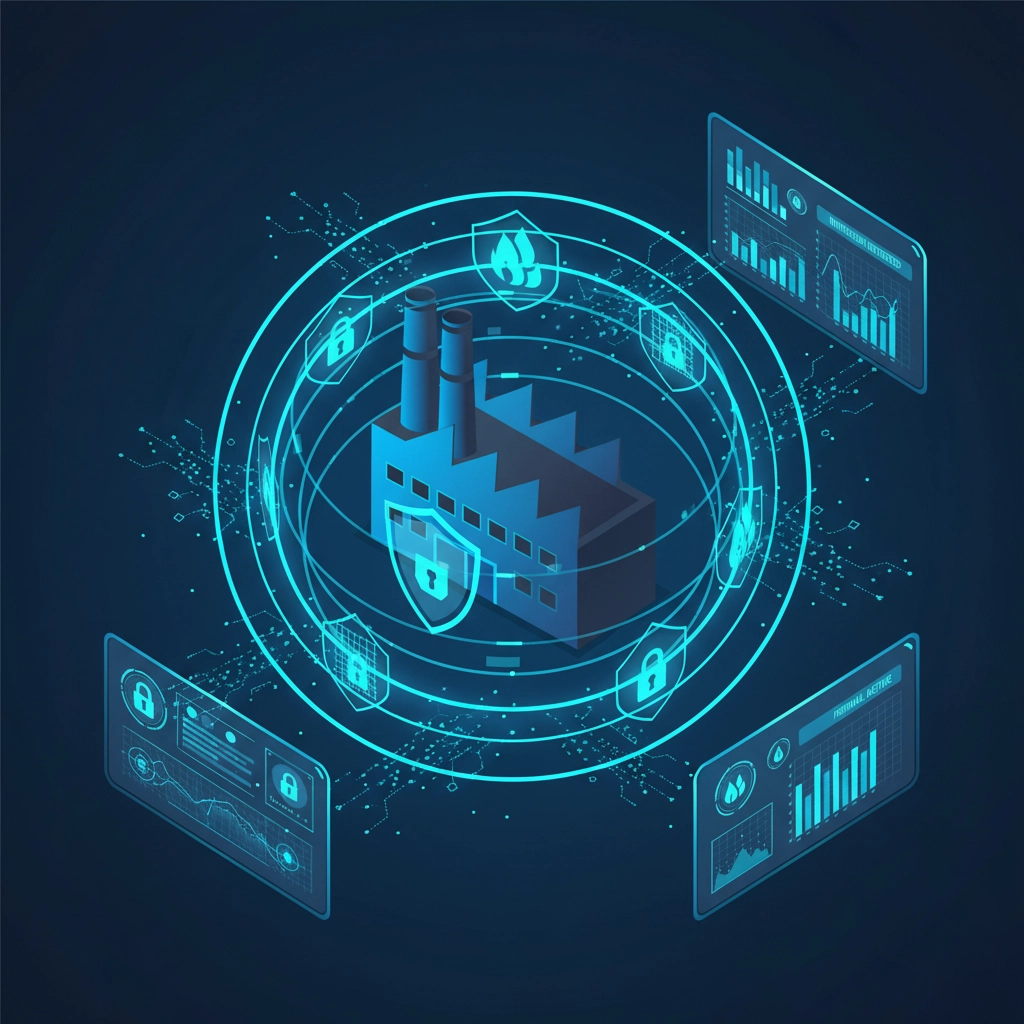
Modern cybersecurity for manufacturers goes far beyond basic firewalls and antivirus software. We're talking about multi-layered security that includes:
- Real-time threat monitoring that catches suspicious activity before it becomes a problem
- Employee training programs that help your team recognize and avoid phishing attempts
- Backup and disaster recovery systems that can get you back online quickly if something does go wrong
- Network segmentation that isolates critical systems from potential threats
The best part? Today's security solutions are designed to work in the background without slowing down your operations. You get peace of mind without sacrificing productivity.
2. Industrial IoT Integration: Making Your Equipment Smarter
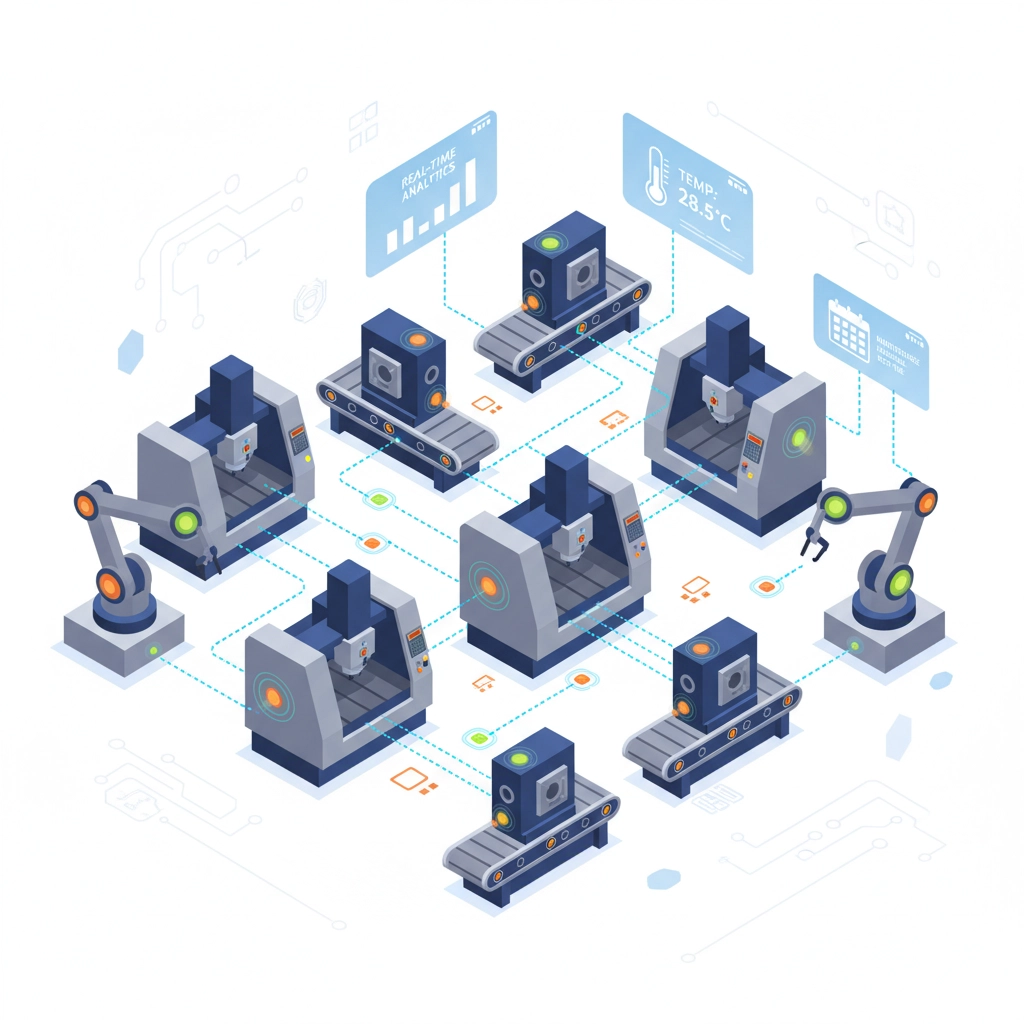
Internet of Things (IoT) technology is revolutionizing how manufacturers monitor and manage their equipment. By 2026, we're seeing even small manufacturers benefit from sensors that can predict when machines need maintenance, track energy usage, and optimize production schedules.
Imagine knowing that your CNC machine needs a belt replacement two weeks before it actually breaks down. That's the power of IoT sensors working with artificial intelligence to analyze patterns and predict maintenance needs. Instead of dealing with costly emergency repairs and production delays, you can schedule maintenance during planned downtime.
Industrial IoT isn't just about preventing problems: it's about optimizing everything:
- Energy management systems that automatically adjust power usage during peak demand periods
- Quality control sensors that catch defects before products leave your facility
- Inventory tracking that tells you exactly what materials you have and when you'll need to reorder
- Environmental monitoring that ensures optimal conditions for both your products and your workers
The key is starting small. You don't need to sensor-enable every piece of equipment overnight. Pick one critical machine or process, add some smart sensors, and see the immediate benefits before expanding your IoT network.
3. Cloud-Based ERP Systems: Your Operations Command Center
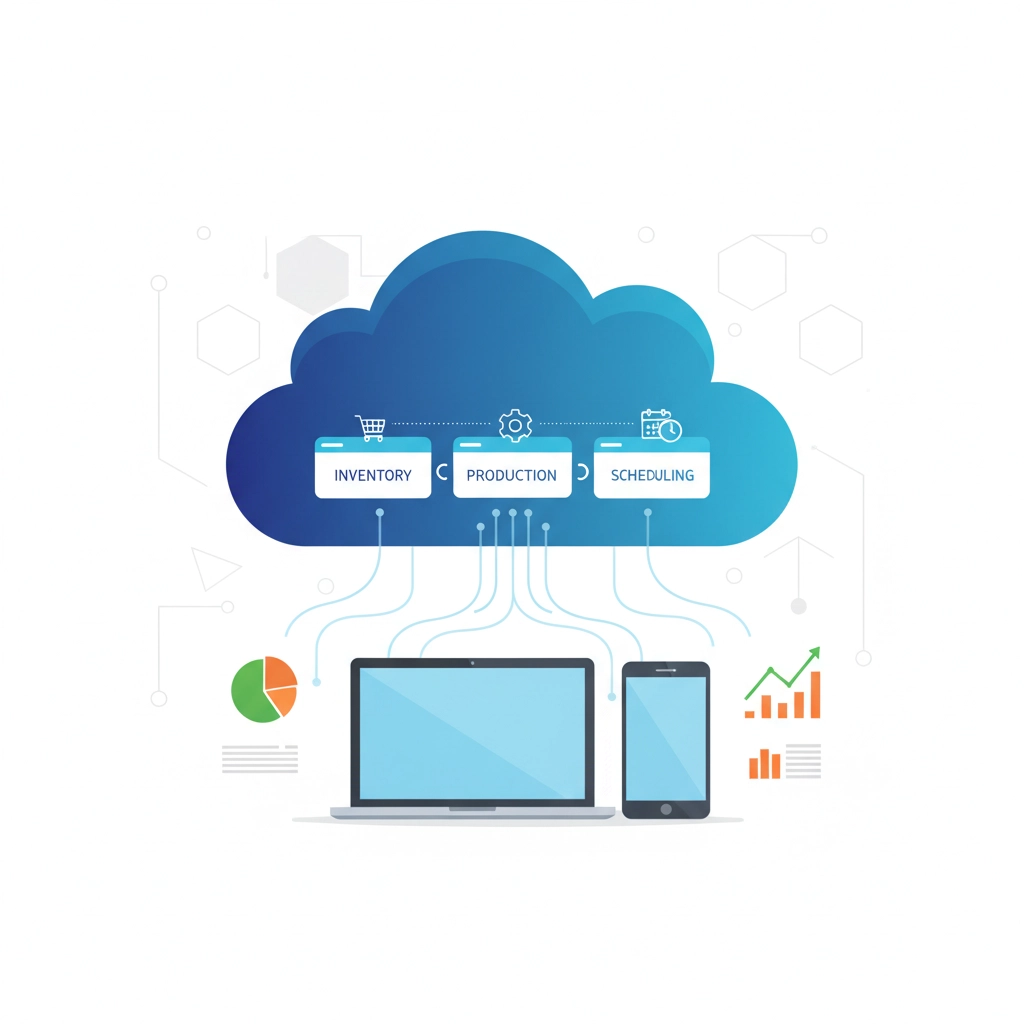
Enterprise Resource Planning (ERP) systems have been around for decades, but cloud-based ERP is changing the game for manufacturers of all sizes. Instead of maintaining expensive servers and dealing with complex software updates, you can access your entire business management system from anywhere with an internet connection.
Why is this such a big deal for manufacturers? Consider these scenarios:
You're at a trade show in Detroit and a potential customer asks about your production capacity for a large order. With cloud-based ERP, you can pull up real-time production schedules, inventory levels, and delivery timelines right from your phone. That's the kind of responsiveness that wins new business.
Or maybe you're working from home during a snowstorm (we all know how Northern Michigan winters can be), but you need to approve a rush order. Your cloud ERP system lets you review the order, check material availability, and authorize production without missing a beat.
Cloud-based ERP systems offer several key advantages:
- Lower upfront costs compared to traditional on-premise systems
- Automatic updates and security patches managed by your IT provider
- Scalability that grows with your business
- Remote access for you and your key team members
- Integration capabilities that connect with your other business systems
The transition to cloud ERP might seem daunting, but modern systems are designed for smooth migrations with minimal disruption to your daily operations.
4. Automation and Robotics Advancements: Doing More with Your Current Team
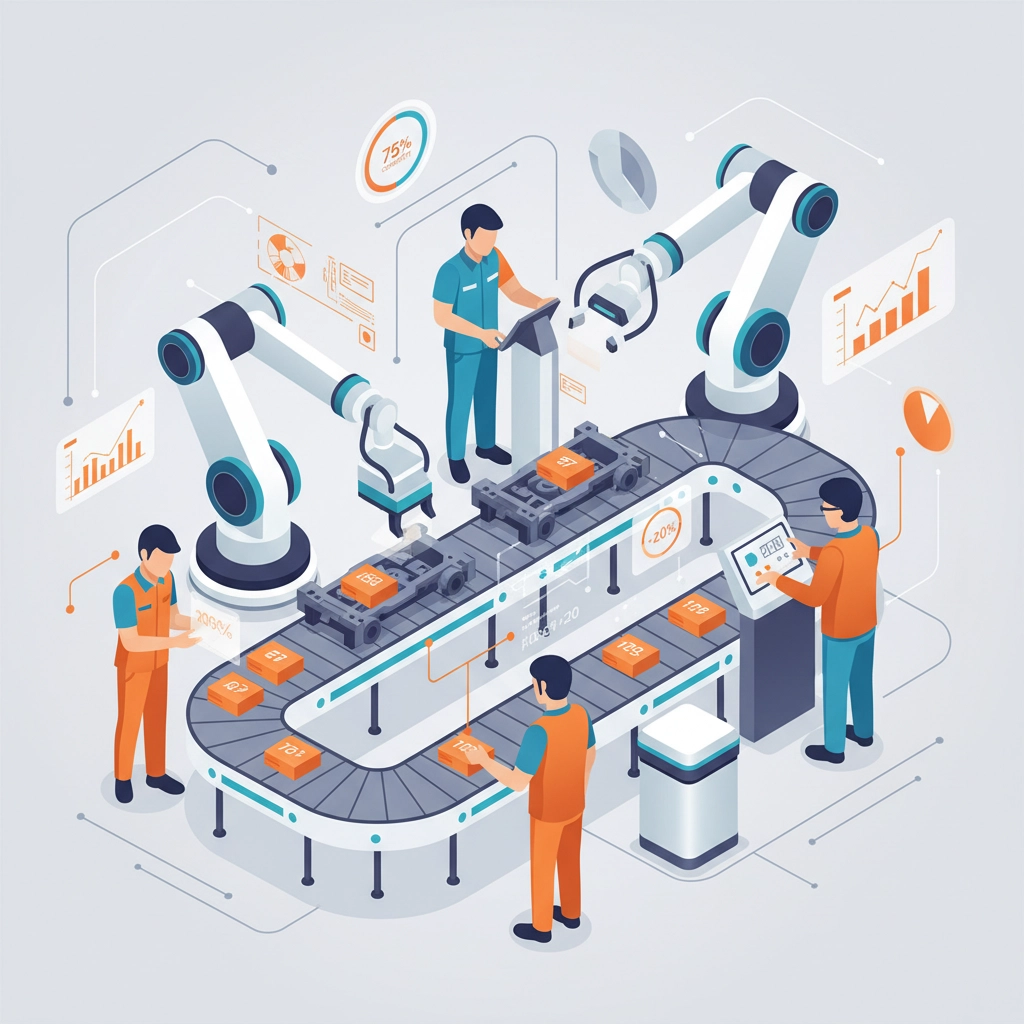
When people hear "automation" and "robotics," they often worry about job losses. But here's what we're actually seeing in 2026: smart manufacturers are using automation to enhance their workforce, not replace it. These technologies handle repetitive, dangerous, or precision-critical tasks, freeing up your skilled workers to focus on problem-solving, quality control, and customer service.
Today's automation solutions are more accessible than ever. We're not just talking about massive robotic assembly lines that only Fortune 500 companies can afford. Small and medium manufacturers can now implement:
- Collaborative robots (cobots) that work safely alongside human workers
- Automated material handling systems that reduce workplace injuries
- Quality inspection systems that use computer vision to catch defects
- Automated inventory management that tracks materials and finished goods
The ROI on these systems has become increasingly attractive. Many manufacturers see payback periods of 12-18 months, especially when you factor in reduced waste, fewer workplace injuries, and improved consistency.
Plus, automation can help address the skilled worker shortage that many Northern Michigan manufacturers face. When you automate routine tasks, your experienced workers can focus on training newcomers and handling more complex responsibilities.
5. Proactive Managed IT Support: Your Technology Partner
Here's the trend that ties everything else together: proactive managed IT support. As your manufacturing operation becomes more technology-dependent, you need IT support that prevents problems rather than just fixing them after they occur.
Traditional "break-fix" IT support is reactive: you call when something breaks, then wait for someone to come fix it. But in modern manufacturing, downtime costs too much to take that approach. Proactive managed IT support monitors your systems 24/7, applies updates during off-hours, and addresses potential issues before they impact your production.
What does proactive IT support look like for manufacturers?
- 24/7 monitoring of your critical systems and networks
- Preventive maintenance performed during scheduled downtime
- Security updates applied automatically to keep you protected
- Performance optimization to keep your systems running efficiently
- Strategic planning to help you adopt new technologies at the right pace
At NTS, we've seen firsthand how proactive IT support transforms manufacturing operations. Instead of dealing with emergency repairs during production hours, our clients can focus on what they do best: making great products for their customers.
Making It Work for Your Business
These five trends might seem overwhelming, but you don't need to implement everything at once. The key is working with an experienced IT partner who understands manufacturing and can help you prioritize investments based on your specific needs and budget.
Start by assessing your current technology infrastructure. Where are your biggest pain points? What would have the most immediate impact on your operations? Maybe it's upgrading your cybersecurity to protect against threats, or implementing IoT sensors on your most critical equipment.
The manufacturers who thrive in 2026 won't necessarily be the ones who adopt every new technology, but rather those who thoughtfully integrate the right technologies to solve real business problems.
Ready to explore how these IT trends could benefit your manufacturing operation? At NTS, we specialize in helping Northern Michigan manufacturers navigate technology decisions that drive real results. We understand the unique challenges you face, from seasonal demand fluctuations to finding skilled workers.
Whether you want to start with a cybersecurity assessment, explore IoT possibilities for your equipment, or discuss cloud-based ERP options, we're here to help you make informed decisions that fit your business and budget.
Don't let technology complexity hold your business back. Contact NTS today for a free consultation, and let's discuss how these 2026 IT trends can help your manufacturing operation become more secure, efficient, and profitable than ever before.
Your competitors are already planning their technology upgrades for 2026. Make sure you're not left behind.